
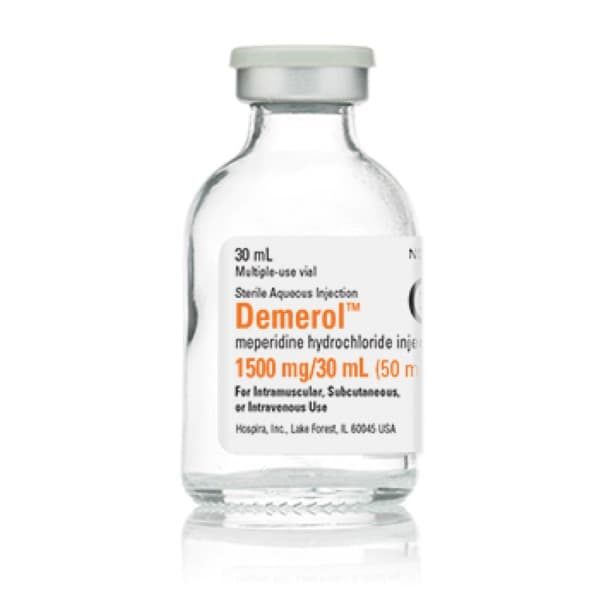
Demerol 1500 mg/mL 30 mL Multiple-Dose Vial
£999.99
Demerol, known generically as meperidine hydrochloride, is an opioid analgesic that has been used for decades in medical settings for the management of moderate to severe pain. The 1500 mg/mL 30mL multiple-dose vial represents a high-concentration formulation intended for specific clinical applications where precise dosing and controlled administration are paramount. This comprehensive guide examines the proper use, safety considerations, and clinical protocols for this potent medication.
Demerol (Meperidine) 1500 mg/mL 30mL Multiple-Dose Vial: Clinical Guide and Safety Information
Demerol, known generically as meperidine hydrochloride, is an opioid analgesic that has been used for decades in medical settings for the management of moderate to severe pain. The 1500 mg/mL 30mL multiple-dose vial represents a high-concentration formulation intended for specific clinical applications where precise dosing and controlled administration are paramount. This comprehensive guide examines the proper use, safety considerations, and clinical protocols for this potent medication. Demerol
Product Overview and Specifications
The Demerol 1500 mg/mL 30mL multiple-dose vial contains meperidine hydrochloride as the active ingredient. This high-concentration formulation allows for smaller injection volumes while delivering therapeutic doses of the medication. Each 30mL vial contains a total of 45,000 mg of meperidine hydrochloride, making it suitable for multiple administrations in a clinical setting.
The solution is typically sterile and preservative-free, designed for parenteral administration via intramuscular, subcutaneous, or slow intravenous injection. The multiple-dose format requires strict adherence to aseptic technique to prevent contamination between uses.
Pharmacological Properties and Mechanism of Action
Meperidine is a synthetic opioid agonist with primarily mu-opioid receptor activity. It produces analgesia, sedation, and respiratory depression through its effects on the central nervous system. Unlike many other opioids, meperidine also possesses some anticholinergic properties, which can contribute to its unique side effect profile.
The medication’s onset of action typically occurs within 5-15 minutes after intramuscular administration and even more rapidly with intravenous injection. The duration of analgesia is approximately 2-4 hours, depending on the dose and administration route.
Clinical Indications and Applications
Demerol is indicated for the management of moderate to severe pain, including:
- Acute postoperative pain
- Pain during diagnostic procedures
- Obstetrical pain during labor and delivery
- Acute migraine attacks (when other treatments are ineffective)
- Preoperative medication as an analgesic component
It’s worth noting that meperidine’s use has declined in recent years due to concerns about its toxicity with repeated dosing and the availability of safer alternatives. Many institutions now limit meperidine to specific situations or short-term use.
Dosage Guidelines and Administration
For the 1500 mg/mL concentration, dosage calculations must be performed with extreme precision:
Adult Dosage:
- Intramuscular or subcutaneous: 50-150 mg every 3-4 hours as needed
- Intravenous: 25-50 mg slowly over 5 minutes, repeated every 2-3 hours if necessary
- Maximum daily dose should not exceed 600 mg to reduce the risk of normeperidine accumulation
Special Populations:
- Elderly patients: Typically require reduced doses due to decreased clearance
- Renal impairment: Dose adjustments necessary to prevent accumulation of toxic metabolites
- Pediatric patients: Dosing based on weight (1-2 mg/kg every 3-4 hours)
Administration techniques:
- For intramuscular injection, use a large muscle mass to minimize pain
- Intravenous administration should be slow (over 5 minutes) to reduce the risk of adverse reactions
- The multiple-dose vial requires proper aseptic technique to prevent contamination
Critical Safety Considerations
Due to its potency and potential for toxicity, several safety considerations are essential:
Normeperidine Toxicity:
- With repeated dosing, meperidine metabolizes to normeperidine, which can cause central nervous system toxicity
- Symptoms include tremors, muscle twitches, agitation, and seizures
- Risk increases with prolonged use (more than 48 hours) or in patients with renal impairment
Respiratory Depression:
- As with all opioids, meperidine can cause significant respiratory depression
- Risk is highest with intravenous administration and in opioid-naïve patients
- Requires careful monitoring, especially during initial administration
Storage and Handling:
- Store at controlled room temperature (20-25°C/68-77°F)
- Protect from light
- Multiple-dose vials should be discarded after 28 days of opening or sooner if contamination is suspected
- Keep out of reach of children and unauthorized personnel
Side Effects and Adverse Reactions
Common side effects include:
- Nausea and vomiting
- Dizziness and lightheadedness
- Drowsiness
- Constipation
- Sweating
- Flushing
Serious adverse reactions requiring immediate attention:
- Severe respiratory depression
- Hypotension
- Circulatory collapse
- Cardiac arrhythmias
- Seizures (related to normeperidine accumulation)
- Anaphylactic reactions
Contraindications and Precautions
Demerol is contraindicated in:
- Patients with significant respiratory depression
- Acute or severe bronchial asthma
- Paralytic ileus
- Known hypersensitivity to meperidine or other opioids
- Patients currently taking or who have recently taken MAO inhibitors
Use with caution in:
- Patients with head injuries or increased intracranial pressure
- Those with impaired renal function
- Individuals with seizure disorders
- Patients with cardiac arrhythmias
- Those with a history of substance abuse
Drug Interactions
Significant drug interactions include:
- MAO inhibitors: Can cause life-threatening reactions
- CNS depressants: Enhanced sedation and respiratory depression
- Phenothiazines: Increased risk of hypotension
- Anticholinergic agents: Enhanced anticholinergic effects
- Cimetidine: May increase meperidine levels
Monitoring and Patient Assessment
Proper monitoring protocols include:
- Continuous respiratory rate and oxygen saturation monitoring
- Regular pain assessments using validated scales
- Sedation level evaluations
- Blood pressure and heart rate monitoring
- Assessment for signs of toxicity, particularly with prolonged use
Regulatory and Legal Considerations
As a Schedule II controlled substance, Demerol is subject to strict regulatory requirements:
- DEA registration for prescribing and dispensing
- Prescription limitations in some jurisdictions
- Special ordering and record-keeping requirements
- Inventory control protocols for healthcare facilities
Emergency Management of Overdose
Recognition of meperidine overdose requires immediate intervention:
- Administer naloxone (Narcan) as the antidote
- Multiple naloxone doses may be necessary
- Provide ventilatory support as needed
- Monitor for renarcotization as naloxone effects wear off
- Be aware that seizures may occur due to normeperidine accumulation
Clinical Best Practices
Evidence-based recommendations for Demerol use include:
- Limiting use to specific situations where alternatives are inappropriate
- Using the lowest effective dose for the shortest duration
- Avoiding use in patients with renal impairment
- Implementing protocols for safe administration and monitoring
- Establishing clear documentation procedures for administration
The Demerol 1500 mg/mL 30mL multiple-dose vial represents a high-concentration formulation that requires careful handling and precise dosing. While meperidine has been a valuable analgesic in clinical practice, its use has declined due to safety concerns and the availability of better alternatives.
Healthcare professionals must exercise extreme caution when using this formulation, adhering to established guidelines and safety protocols. By understanding the unique properties and risks associated with meperidine, clinicians can make informed decisions about its appropriate use in clinical practice while ensuring patient safety.
As with all opioid medications, the ongoing focus on opioid safety has led to increased scrutiny of meperidine prescribing practices. Healthcare providers must balance legitimate medical needs with patient safety concerns while maintaining their primary responsibility to pain management.
Be the first to review “Demerol 1500 mg/mL 30 mL Multiple-Dose Vial”
Related products
Painkillers
Painkillers
Painkillers
Painkillers
Painkillers
Painkillers
Painkillers
Reviews
There are no reviews yet.