
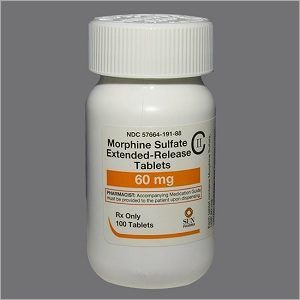
Buy Morphine Online Uk
Price range: £250.00 through £550.00
Morphine stands as the prototypical opioid analgesic and remains the gold standard against which all other pain relievers are measured. Named after Morpheus, the Greek god of dreams, this powerful medication has been used for centuries to treat severe pain. This comprehensive guide examines the medical applications, proper usage, and critical safety considerations for morphine.
Buy Morphine Online Uk
Morphine: The Gold Standard Opioid Analgesic – A Comprehensive Guide
Morphine stands as the prototypical opioid analgesic and remains the gold standard against which all other pain relievers are measured. Named after Morpheus, the Greek god of dreams, this powerful medication has been used for centuries to treat severe pain. This comprehensive guide examines the medical applications, proper usage, and critical safety considerations for morphine. Buy Morphine Online Uk
What is Morphine? Buy Morphine Online Uk
Morphine is an opiate alkaloid derived from the seedpod of the opium poppy (Papaver somniferum). As a naturally occurring opioid, it was first isolated in 1804 and has since become one of the most important medications for managing severe pain. The World Health Organization lists morphine as an essential medicine, recognizing its critical role in healthcare systems worldwide.
The medication works by binding to mu-opioid receptors in the central nervous system, altering the perception of and response to pain. It produces not only analgesia but also sedation, respiratory depression, and euphoria—effects that define the opioid drug class.
Medical Uses and Indications
Morphine is primarily prescribed for:
- Severe Acute Pain: Postoperative pain, trauma-related pain, and pain from acute medical conditions like myocardial infarction.
- Cancer Pain: Widely used for moderate to severe cancer-related pain, often in extended-release formulations.
- End-of-Life Care: Essential in palliative care for managing pain in terminal illnesses.
- Shortness of Breath: Sometimes used to relieve dyspnea in terminal illnesses or severe cardiopulmonary conditions.
- Pain in Children: Used in carefully calculated doses for severe pain in pediatric patients.
Available Formulations and Dosage
Morphine comes in various formulations designed for different clinical needs:
- Immediate-Release Tablets and Oral Solution: For acute pain management, typically dosed every 4 hours as needed. Buy Morphine Online Uk
- Extended-Release Tablets and Capsules: For around-the-clock pain management in patients requiring continuous opioid therapy.
- Injectable Solutions: For intravenous, intramuscular, or subcutaneous administration in clinical settings.
- Suppositories: For patients unable to take oral medication.
- Patient-Controlled Analgesia (PCA): Allows postoperative patients to self-administer small doses within preset limits.
Dosage varies significantly based on formulation, patient factors, and pain severity:
- For opioid-naïve adults with acute pain, oral doses typically start at 5-15mg every 4 hours as needed.
- Extended-release formulations usually start at 15-30mg every 8-12 hours for opioid-naïve patients.
- Injectable doses are typically lower due to higher bioavailability (2-10mg every 2-4 hours).
Pharmacological Properties
Morphine’s pharmacological profile includes:
- Onset of Action: Varies by formulation—IV administration works within minutes, oral formulations typically within 30-60 minutes.
- Duration of Effect: Approximately 3-4 hours for immediate-release formulations and 8-12 hours for extended-release versions.
- Metabolism: Primarily metabolized in the liver to morphine-6-glucuronide (more potent) and morphine-3-glucuronide (may cause excitation).
- Excretion: Mainly eliminated through the kidneys as metabolites.
Side Effects and Adverse Reactions
Common side effects of morphine include:
- Drowsiness and dizziness
- Nausea and vomiting
- Constipation (often severe and persistent)
- Itching and skin flushing
- Headache
- Dry mouth
- Sweating
- Miosis (pinpoint pupils)
- Urinary retention
More serious side effects requiring immediate medical attention:
- Severe respiratory depression (shallow breathing, slow respiratory rate)
- Extreme sedation to the point of inability to stay awake
- Hypotension (low blood pressure)
- Confusion or disorientation
- Seizures (rare, but more likely with high doses or renal impairment)
- Anaphylactic reactions
- Physical dependence and withdrawal symptoms
Risk Considerations and Safety Precautions
Morphine carries significant risks that require careful management:
- Respiratory Depression: The most dangerous acute effect, potentially fatal, especially with high doses or rapid IV administration.
- Dependence and Addiction: Prolonged use leads to physical and psychological dependence, even at therapeutic doses.
- Tolerance: Patients often require increasing doses to maintain the same analgesic effect.
- Withdrawal Symptoms: Abrupt discontinuation causes severe symptoms including anxiety, irritability, muscle aches, sweating, and insomnia.
To minimize risks:
- Never share your medication with others.
- Store morphine securely away from children and others.
- Avoid alcohol and other central nervous system depressants while taking morphine.
- Never exceed the prescribed dose or frequency.
- Do not abruptly stop taking morphine without medical guidance.
Special Populations and Considerations. Buy Morphine Online Uk
Certain populations require special consideration when using morphine:
- Elderly Patients: More sensitive to effects, particularly respiratory depression and cognitive impairment.
- Patients with Respiratory Conditions: Should use with extreme caution due to the risk of respiratory depression.
- Those with Renal or Hepatic Impairment: May need dose adjustments as these organs metabolize and eliminate morphine.
- Pregnant Women: Can cause neonatal withdrawal syndrome if used chronically during pregnancy.
- Breastfeeding Mothers: Small amounts pass into breast milk and may cause adverse effects in infants.
Drug Interactions
Morphine can interact with numerous other medications:
- CNS Depressants: Enhanced sedation and respiratory depression when combined with alcohol, benzodiazepines, barbiturates, or other opioids.
- MAO Inhibitors: Can cause life-threatening reactions when taken with or within 14 days of MAO inhibitors.
- Anticholinergic Drugs: Increased risk of severe constipation and urinary retention.
- Cimetidine: May increase morphine levels and effects.
- Rifampin: May decrease morphine effectiveness by inducing its metabolism.
Clinical Best Practices
Evidence-based recommendations for morphine use include:
- Using the lowest effective dose for the shortest duration.
- Implementing multimodal pain management strategies when possible.
- Regularly assessing the need for continued therapy.
- Using caution in patients with a history of substance abuse.
- Providing thorough patient education about risks and proper use.
- Monitoring for signs of misuse, abuse, and addiction.
Legal Status and Regulatory Considerations
Morphine is classified as a controlled substance worldwide:
- In the United States, it’s classified as a Schedule II controlled substance.
- In the United Kingdom, it’s a Class A controlled substance under the Misuse of Drugs Act.
- Internationally, it’s listed under Schedule I of the Single Convention on Narcotic Drugs.
Comparison with Other Opioids
Compared to other opioids:
- Gold Standard: Remains the benchmark against which other opioids are measured.
- High Potency: Approximately 8-10 times more potent than codeine.
- High Risk Profile: Similar to other strong opioids regarding dependence and respiratory depression.
- Extensive Clinical Experience: More clinical data and historical use than most other opioids.
Conclusion
Morphine remains an essential medication for managing severe pain, particularly in acute settings and end-of-life care. Its effectiveness is unparalleled, but so are its risks. The balance between analgesia and adverse effects requires careful dosing, vigilant monitoring, and thoughtful patient selection.
If you’ve been prescribed morphine, maintaining open communication with your healthcare provider, following dosage instructions precisely, and being aware of warning signs can help ensure safe and effective pain management. Remember that optimal pain treatment often involves a multimodal approach, with morphine being just one component of a comprehensive strategy when severe pain warrants its use.
| Quantity | 60mg 100tablets, 90mg 100tablets, 100mg 100tablets, 120mg 100tablets, 200mg 100tablets |
|---|
Be the first to review “Buy Morphine Online Uk”
Related products
Painkillers
Painkillers

Painkillers

Painkillers
Painkillers
Painkillers
Reviews
There are no reviews yet.