
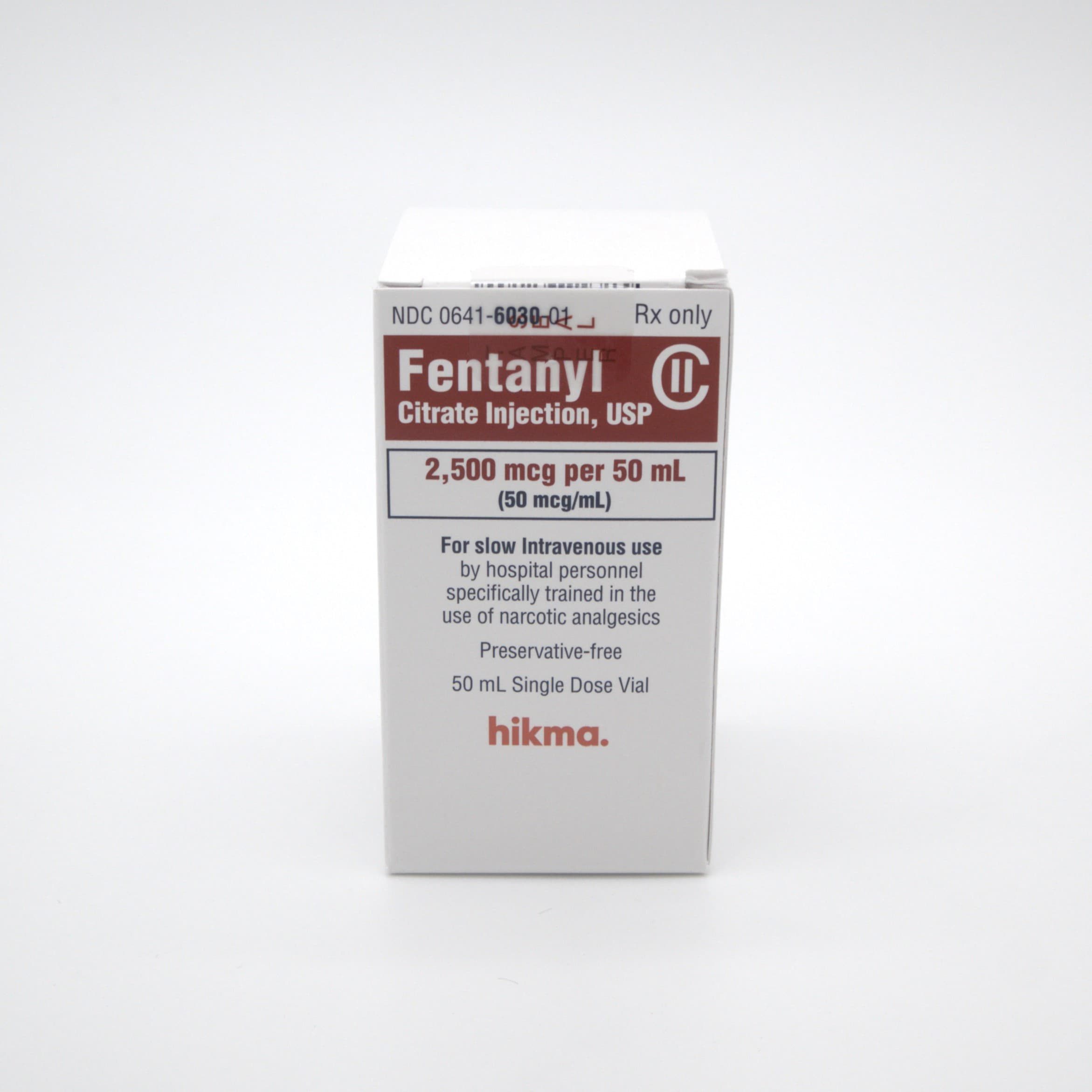
Buy Fentanyl Online | Fentanyl Citrate 50 mcg/mL 50 mL

£70.99
Fentanyl citrate stands as one of the most potent opioid analgesics available in modern medicine, playing a critical role in pain management for various clinical settings. As a Schedule II controlled substance, it requires careful handling, precise dosing, and thorough understanding of its pharmacological properties to ensure patient safety while providing effective pain relief. This comprehensive guide examines the medical applications, administration protocols, and safety considerations for fentanyl citrate.
Buy Fentanyl Online || Fentanyl Citrate: Comprehensive Medical Guide for Healthcare Professionals
Fentanyl citrate stands as one of the most potent opioid analgesics available in modern medicine, playing a critical role in pain management for various clinical settings. As a Schedule II controlled substance, it requires careful handling, precise dosing, and thorough understanding of its pharmacological properties to ensure patient safety while providing effective pain relief. This comprehensive guide examines the medical applications, administration protocols, and safety considerations for fentanyl citrate. Buy Fentanyl Online
Pharmacological Profile and Mechanism of Action. Buy Fentanyl Online
Fentanyl citrate is a synthetic opioid agonist, approximately 100 times more potent than morphine as an analgesic. Its high potency stems from its strong affinity for mu-opioid receptors in the central nervous system. The citrate salt form improves water solubility, making it suitable for various administration methods including injectable solutions, transdermal patches, and lozenges.
The drug’s rapid onset of action and relatively short duration of effect make it particularly valuable in clinical settings where quick pain control is essential. Its lipid solubility allows for rapid crossing of the blood-brain barrier, contributing to its fast-acting properties.
Medical Applications and Clinical Uses. Buy Fentanyl Online
Fentanyl citrate has several FDA-approved medical applications:
- Anesthesia Adjunct: Used as a premedication for anesthesia and as a component of balanced anesthesia during surgical procedures.
- Acute Pain Management: Effective for managing severe postoperative pain, particularly in patient-controlled analgesia (PCA) systems.
- Breakthrough Cancer Pain: Prescribed for cancer patients experiencing episodic pain flares despite ongoing opioid therapy.
- Chronic Pain Management: Extended-release formulations like transdermal patches provide continuous pain relief for chronic conditions.
- Procedural Sedation: Utilized in emergency departments and outpatient settings for painful procedures.
Dosage Guidelines and Administration
Proper dosing of fentanyl citrate is critical due to its narrow therapeutic index:
Intravenous Administration:
- For anesthesia: 2-50 mcg/kg depending on procedure type and patient factors
- For postoperative pain: 25-100 mcg every 5-10 minutes as needed, with careful monitoring
- PCA settings typically allow 20-40 mcg bolus doses with lockout periods of 5-10 minutes
Transdermal Patches:
- Initial dose: 25 mcg/hour for opioid-naïve patients
- Dose adjustments: Changes should not occur more frequently than every 72 hours
- Conversion tables available for transitioning from other opioids
Transmucosal Administration:
- Actiq lozenges: 200-1600 mcg doses available for breakthrough cancer pain
- Subsys sublingual spray: 100-800 mcg doses for cancer patients
Critical Safety Considerations
Due to its potency, fentanyl citrate requires special safety precautions:
-
Respiratory Depression: The most serious adverse effect, potentially fatal. Continuous monitoring of respiratory function is essential, especially during initial administration and dose titration.
-
Storage and Handling: Must be stored securely to prevent unauthorized access. Many healthcare facilities implement special storage requirements and access logging.
-
Drug Interactions: Significant interactions with other CNS depressants, including benzodiazepines, alcohol, barbiturates, and other opioids. These combinations can lead to enhanced sedation and respiratory depression. Buy Fentanyl Online
-
Special Populations: Elderly, debilitated, and pediatric patients require dose adjustments and closer monitoring.
Side Effects and Adverse Reactions
Common side effects include:
- Nausea and vomiting
- Constipation
- Drowsiness and dizziness
- Confusion
- Urinary retention
- Pupillary constriction
Serious adverse reactions requiring immediate medical attention:
- Severe respiratory depression
- Hypotension
- Cardiac arrhythmias
- Serotonin syndrome (when combined with serotonergic drugs)
- Physical dependence and withdrawal symptoms
Contraindications and Precautions
Fentanyl citrate is contraindicated in:
- Patients with significant respiratory depression
- Acute or severe bronchial asthma
- Known hypersensitivity to fentanyl or any components of the formulation
- Paralytic ileus
Special precautions required for:
- Patients with head injuries or increased intracranial pressure
- Those with impaired hepatic or renal function
- Individuals with cardiac arrhythmias
- Patients with a history of substance abuse
Monitoring and Patient Assessment
Proper monitoring protocols include:
- Continuous respiratory rate and oxygen saturation monitoring
- Regular pain assessments using validated scales
- Sedation level evaluations
- Blood pressure and heart rate monitoring
- Assessment for signs of opioid toxicity or withdrawal
Regulatory and Legal Considerations
As a Schedule II controlled substance, fentanyl citrate is subject to strict regulatory requirements:
- DEA registration for prescribing and dispensing
- Prescription limitations in some jurisdictions
- Special ordering and record-keeping requirements
- Inventory control protocols for healthcare facilities
Emergency Management of Overdose
Recognition of fentanyl overdose requires immediate intervention:
- Administer naloxone (Narcan) as the antidote
- Multiple naloxone doses may be necessary due to fentanyl’s potency
- Provide ventilatory support as needed
- Monitor for renarcotization as naloxone effects wear off
Clinical Best Practices
Evidence-based recommendations for fentanyl citrate use include:
- Implementing multimodal pain management strategies when possible
- Using the lowest effective dose for the shortest duration
- Employing risk assessment tools before initiating therapy
- Developing protocols for safe tapering when discontinuing therapy
- Establishing clear documentation procedures for administration
Be the first to review “Buy Fentanyl Online | Fentanyl Citrate 50 mcg/mL 50 mL”
Related products
Painkillers
Painkillers
Painkillers
Painkillers
Painkillers
Painkillers
Painkillers
Reviews
There are no reviews yet.