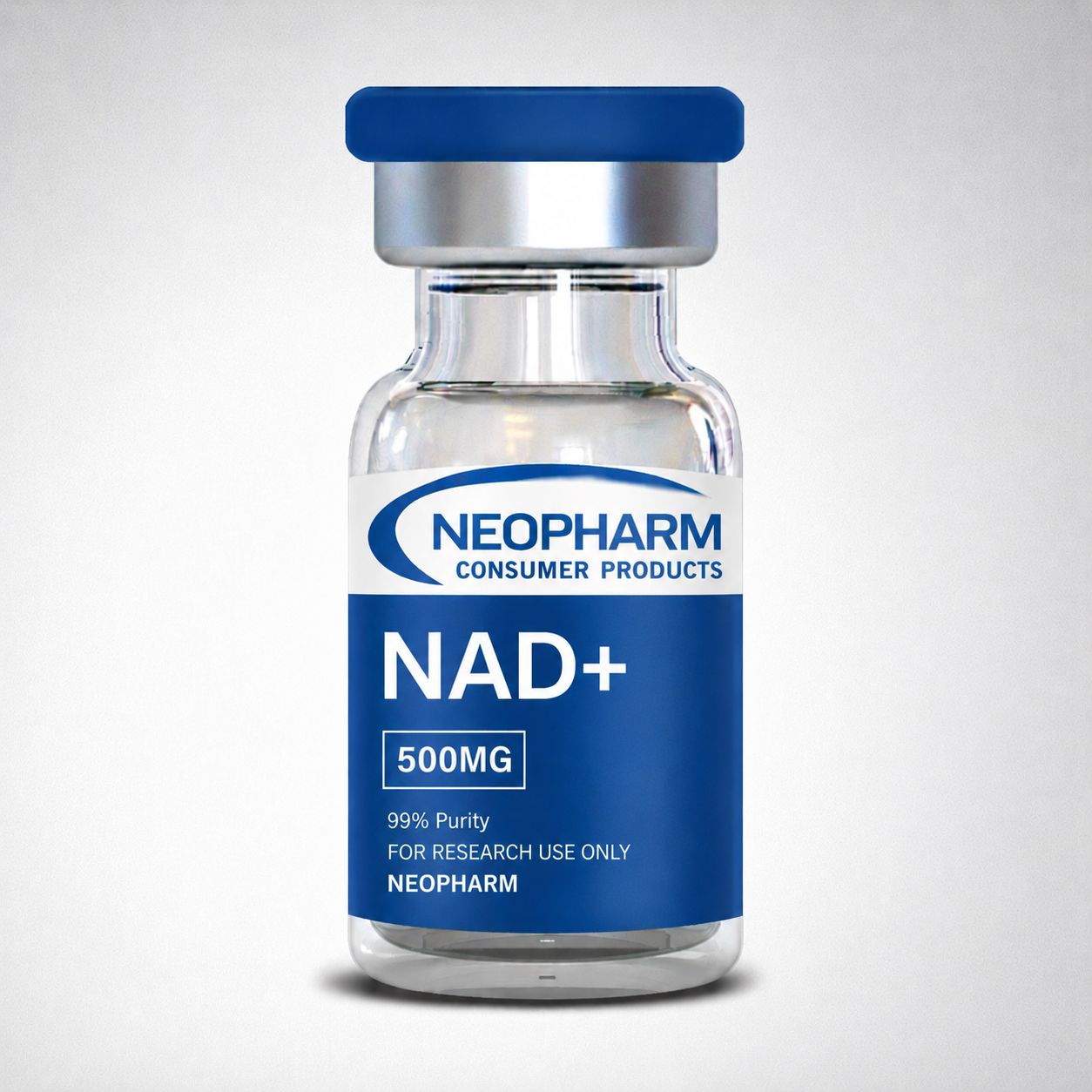
NAD Peptide: Research Compound for Cellular Energy Studies
NAD peptide refers to research compounds related to nicotinamide adenine dinucleotide pathways studied in laboratory environments. It is used in experiments focused on cellular energy production, mitochondrial activity, and metabolic regulation. NAD Peptide
Researchers study NAD-related compounds because they play a central role in how cells produce energy and maintain biological function. NAD Peptide
What Is NAD Peptide?
NAD (nicotinamide adenine dinucleotide) is a coenzyme found in all living cells. It supports essential biochemical reactions linked to energy metabolism and cellular repair. In research, NAD-related peptides or compounds are used to study how cells generate and use energy.
Research commonly focuses on:
• cellular energy production
• mitochondrial function
• metabolic signaling
• redox reactions
• enzyme activity
• DNA repair pathways
• cellular aging models
NAD levels naturally decline over time, which makes it a key focus in metabolic and aging research.
How NAD Works in Research | NAD Peptide
NAD is studied as a coenzyme that supports electron transfer in metabolic reactions. It plays a role in converting nutrients into cellular energy.
Laboratory studies examine:
• ATP energy production
• mitochondrial activity
• cellular respiration
• oxidative balance
• metabolic enzyme function
• signaling pathways
These processes make NAD central to energy metabolism research.
Research Applications of NAD | NAD Peptide
NAD-related compounds are used in studies involving:
• metabolic research
• mitochondrial biology
• cellular energy studies
• aging models
• oxidative stress analysis
• enzyme activity research
• biochemical pathway testing
• cellular repair studies
Its wide biological role makes it important in multiple research fields.
Why NAD Research Is Popular
NAD is widely studied because it sits at the center of cellular energy systems. Researchers focus on it due to its influence on metabolism and mitochondrial health.
Reasons for demand include:
• central role in energy production
• relevance in aging research
• metabolic importance
• broad biological function
• high scientific interest
It remains a key molecule in biochemical and peptide-related studies.
Product Features
Typical NAD research product features include:
• research-grade compound
• sterile preparation
• high purity material
• stable formulation
• laboratory use only
• controlled packaging
Form varies depending on supplier and research format.
Storage Information
Proper storage helps maintain stability.
Recommended storage:
• refrigerate at 2°C to 8°C
• protect from light
• avoid heat exposure
• keep sealed
• store in dry conditions
After preparation:
• refrigerate immediately
• avoid contamination
• follow laboratory protocols
• maintain sterile handling
Correct storage supports reliable research outcomes.
Benefits in Research
Researchers use NAD compounds for:
• energy metabolism studies
• mitochondrial function research
• cellular respiration analysis
• oxidative stress models
• biochemical pathway research
Its role in energy systems makes it widely used in laboratory science.
NAD in Modern Biological Research
NAD remains central in metabolic and aging research. It is studied for its role in how cells produce energy and maintain function over time.
Areas of interest include:
• mitochondrial biology
• metabolic regulation
• cellular aging
• enzyme function
• energy signaling
Its importance keeps it in strong demand across research fields.
Quality Considerations
When sourcing NAD research compounds, laboratories evaluate:
• purity verification
• batch consistency
• storage stability
• supplier reliability
• manufacturing standards
Quality control is important for consistent experimental results.
Important Notice
NAD peptide and related compounds are intended strictly for laboratory research only. They are not approved for medical use, treatment, or human consumption. They should be handled only in controlled scientific environments.
Buy NAD Peptide for Research
Researchers often compare:
• purity reports
• formulation type
• storage conditions
• supplier reputation
• batch documentation
NAD remains a core compound in metabolic and cellular energy research. Its role in mitochondrial function and biochemical pathways makes it widely studied in laboratory science.


Reviews
There are no reviews yet.