
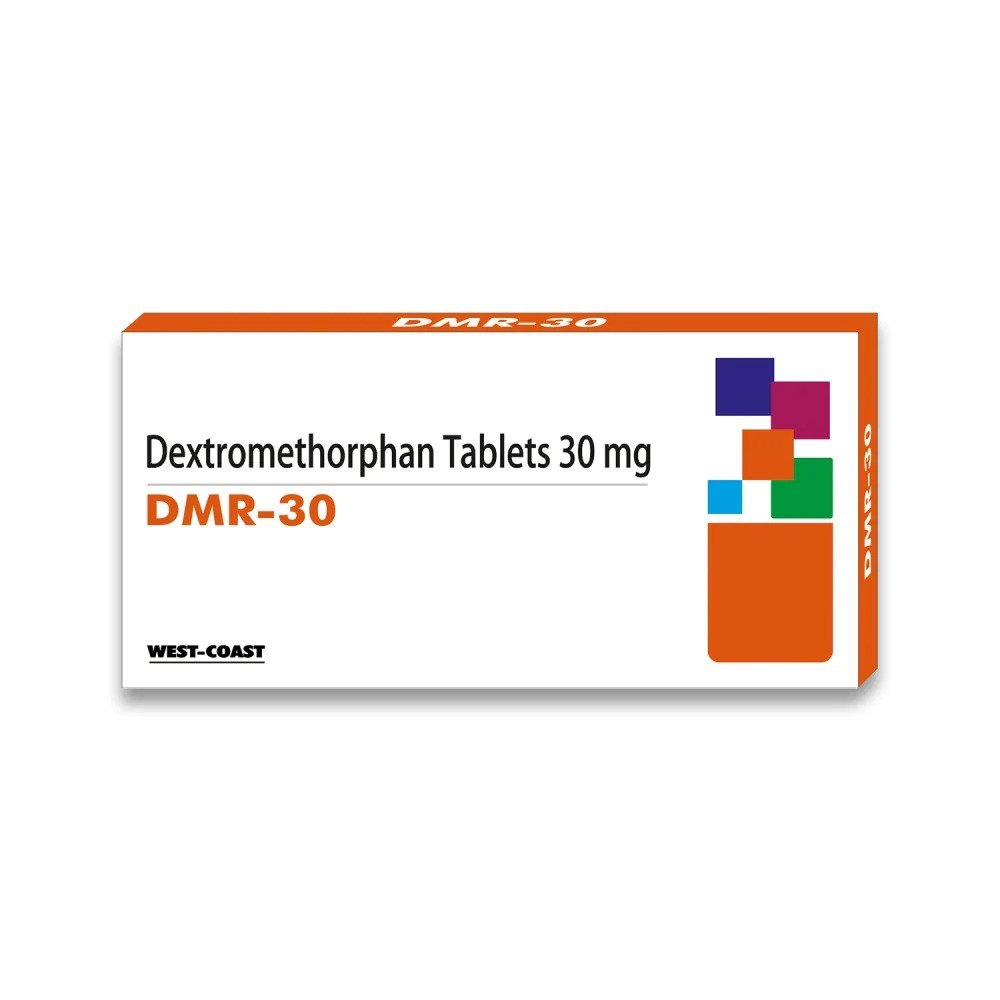
What Dextromethorphan Is
Dextromethorphan is a cough suppressant. It reduces the urge to cough. It is used for dry cough that keeps you awake or limits your daily routine. It works on the cough center in the brain to reduce signals that trigger coughing.
How Dextromethorphan Works
Dextromethorphan affects the part of your brain that controls coughing. It lowers nerve activity that sends cough signals. This gives relief from constant coughing. It supports sleep and daily comfort when you follow proper dosing.
Medical Uses
Dextromethorphan treats
Dry cough
Cold related cough
Throat irritation
Night time coughing
Doctors and pharmacists recommend it for short periods. It supports recovery when taken at the right time and in the right dose. It does not treat chest infections, pneumonia, asthma, or COPD. It treats the symptom of cough, not the cause of the illness.
Forms Of Dextromethorphan
You find dextromethorphan in
Syrups
Capsules
Tablets
Lozenges
Many cold and flu formulas include it. Labels show the amount in each dose. Users check labels to avoid taking more than one product containing the ingredient.
Dosage Guide
Follow the instructions on the package. Adults take the dose every four to six hours. Do not exceed the daily limit on the label. Children have different doses. Use a proper measuring tool for liquids. Do not double doses. If you miss a dose, take it at the next scheduled time.
What To Expect
Relief starts within thirty minutes. The effect lasts three to six hours. It reduces coughing fits. It helps you sleep better during colds. It does not stop mucus production. It does not cure infections. It only reduces the urge to cough.
Side Effects
Side effects are mild for most users. They include
Drowsiness
Stomach discomfort
Dizziness
Mild nausea
These effects improve as your body adjusts. Stop use if symptoms worsen. Speak with a professional if you experience fast heartbeat or serious dizziness.
Safety Information
Dextromethorphan is safe when used as directed. High doses cause serious problems. These include confusion, agitation, or loss of coordination. Some users try to misuse it. Misuse leads to dangerous reactions. Follow the correct dose every time.
Do not mix dextromethorphan with alcohol. The combination increases drowsiness and slows reaction time. Do not mix it with drugs that affect the brain. This includes strong pain medicines or sleep tablets.
Interactions
Dextromethorphan interacts with several medicines.
Antidepressants
MAO inhibitors
Some anxiety medicines
Some painkillers
These interactions cause dangerous effects. Users must tell a doctor or pharmacist about all medicines they take. Ask before adding new products.
Who Should Avoid It
People with breathing problems should not use it without advice.
People who take MAO inhibitors should avoid it.
People with liver disease need medical guidance before use.
Children under four should not take it unless directed by a professional.
Pregnant or nursing women speak with a healthcare provider first.
Signs Of Misuse
Misuse produces
Hallucinations
Rapid heartbeat
High blood pressure
Loss of balance
Confusion
These effects are dangerous. Seek help if someone shows these signs. Safe use protects long term health.
Overdose Warning
Too much dextromethorphan leads to
Slow breathing
Severe dizziness
Strong confusion
Loss of control of movements
This requires emergency help. Keep the bottle locked and out of reach of children.
Storage
Store it in a cool place. Keep it away from sunlight. Keep the bottle closed tightly. Do not transfer it to another container. Dispose of expired products safely.
Responsible Use
Use dextromethorphan only when you need relief.
Track your doses.
Rest and drink enough fluids.
Check labels before mixing products.
Use low sugar versions if you have blood sugar concerns.
These steps support faster recovery.
When To Seek Medical Advice
Seek help if your cough lasts more than seven days. Seek help if you develop fever, chest pain, or wheezing. Dextromethorphan treats the cough. You still need a checkup if your symptoms worsen. A long lasting cough signals infection or another condition that needs targeted treatment.
Role In Cold Management
Dextromethorphan can be part of a cold relief plan. Combine it with
Hydration
Steam inhalation
Rest
Warm liquids
These steps help your throat and reduce irritation. They support healing while you manage the cough.
Consumer Tips
Read the product label before every use.
Choose products with clear dosage charts.
Avoid combination cold products if you only need a cough suppressant.
Check sugar levels if you manage diabetes.
Track your symptoms to see if you improve.
Be the first to review “Buy Dextromethorphan | 30mg Tablets”
Related products
Anxiety and Sleep
Anxiety and Sleep
Anxiety and Sleep
Anxiety and Sleep
Anxiety and Sleep

Anxiety and Sleep
Anxiety and Sleep
Anxiety and Sleep
Reviews
There are no reviews yet.